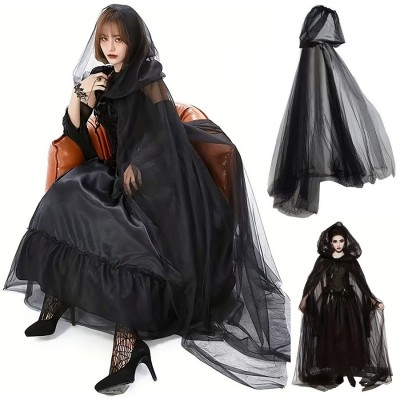
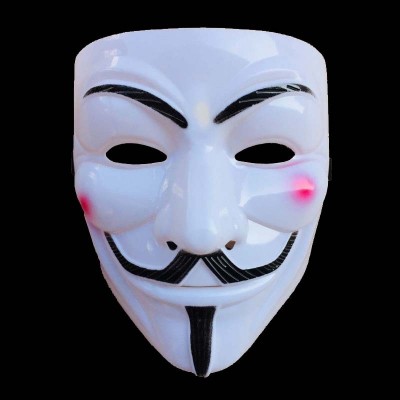
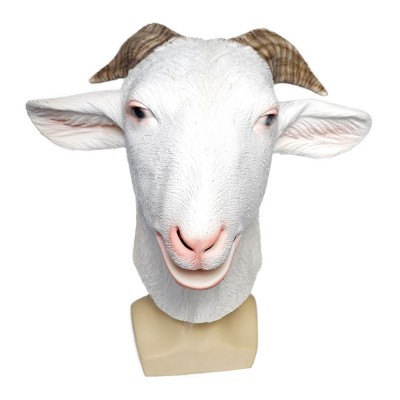
Halloween originated from the ancient Celtic festival of Samhain, and later merged with the Christian All Hallows' Day, set on October 31st every year. Its core cultural connotation has undergone a transformation from reverence for death to celebration and revelry, mainly encompassing the following origins and legends:
The origin and evolution of festivals
Samhain: In 500 BC, the ancient Celtic people of Western Europe believed that October 31 marked the end of summer and the beginning of winter, a time when the boundaries between the living and the dead were blurred, and the spirits of the dead would return to the world of the living. People lit bonfires and wore masks to drive away evil spirits or confuse ghosts.
Christian fusion: In 835 AD, the Catholic Church designated November 1st as "All Saints' Day", and the eve of this day (All Hallows' Eve) gradually evolved into Halloween. In the 19th century, Irish immigrants brought the custom to North America, stripping it of its religious significance and transforming it into a festive celebration.
Classical legends and customs
Jack-o'-lantern: Originating from the Irish legend of "Stingy Jack", who, after tricking the devil, was unable to enter either heaven or hell and had to wander with a lantern. Initially carved from radishes, after immigrating to the Americas, immigrants discovered that pumpkins were easier to carve, so they switched to using pumpkins.
"Trick or treat": Its origin can be traced back to the medieval tradition where believers begged for "soul cakes" to pray for the souls of the deceased, or the Celtic tradition of placing food to appease ghosts and avoid harm.
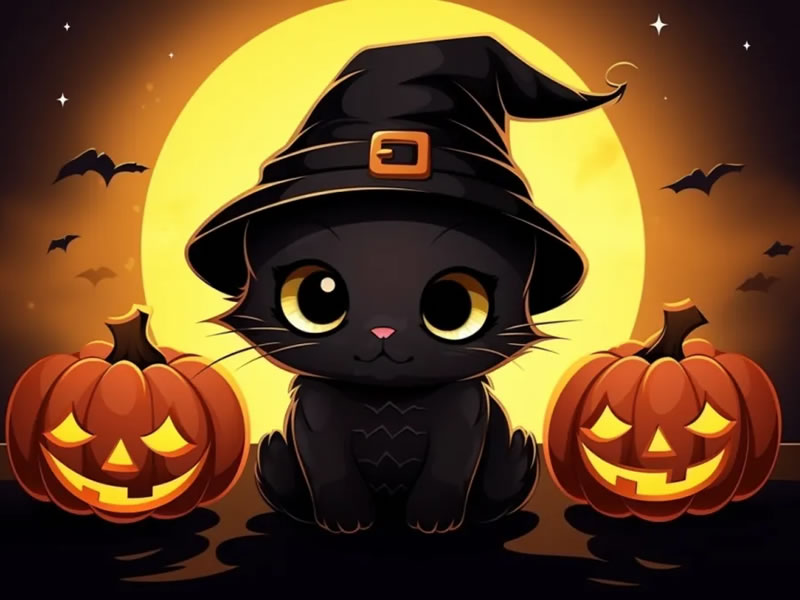
Costume culture: In early times, people wore strange clothing to scare away the spirits of the dead. In modern times, it has evolved into masquerade parties and role-playing, with symbols including witches, black cats, and skeletons